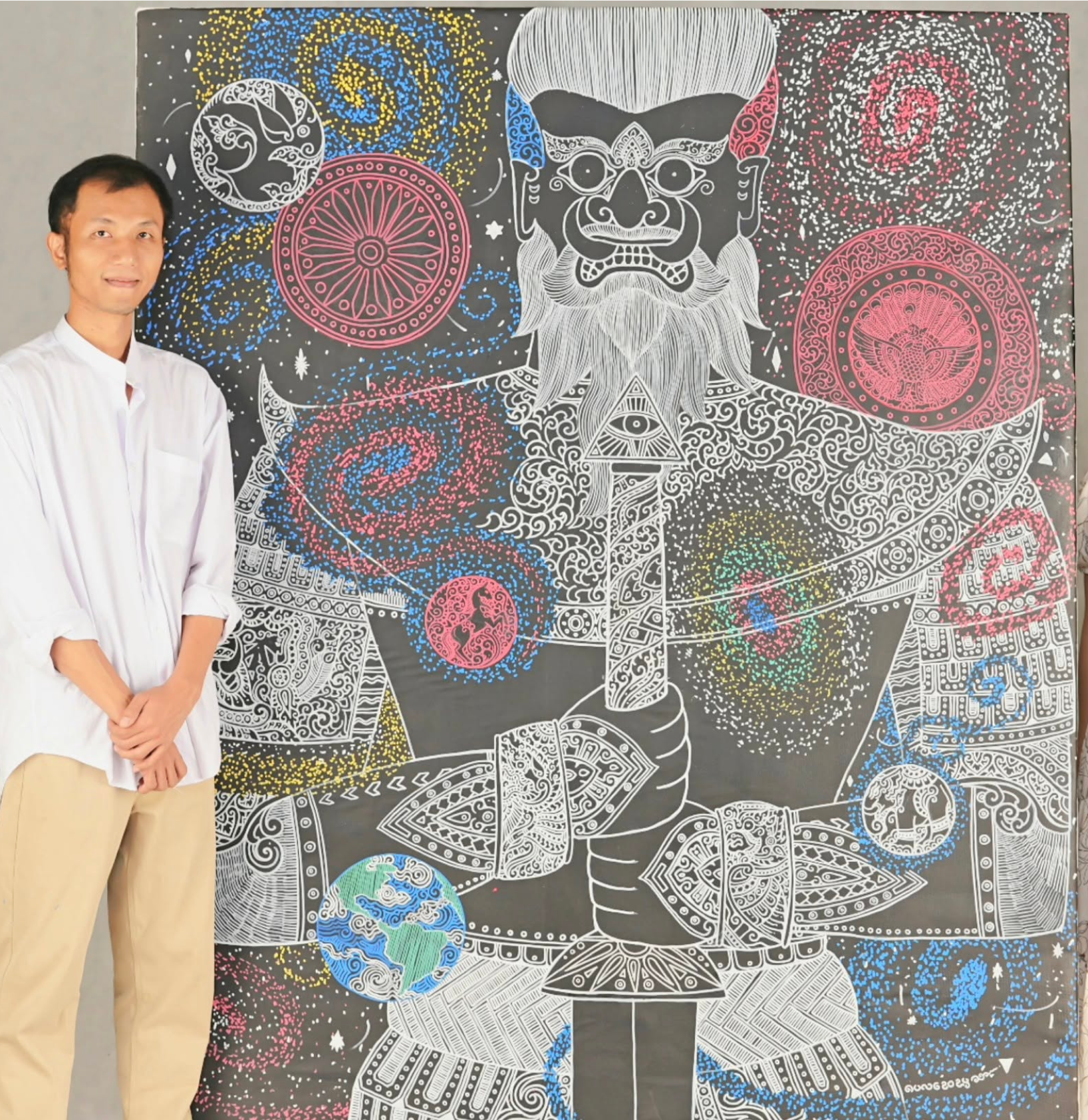
Artist statement & biography
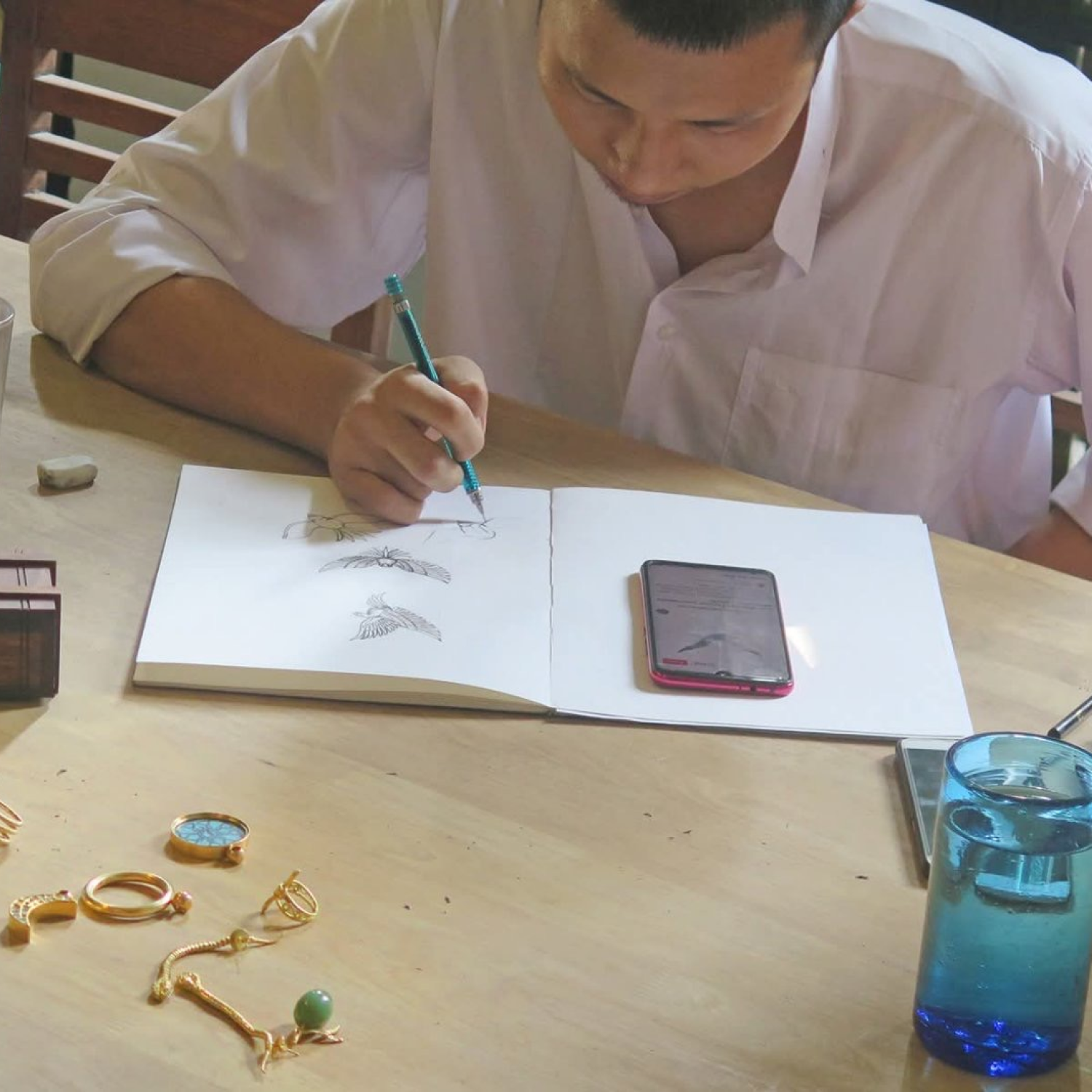
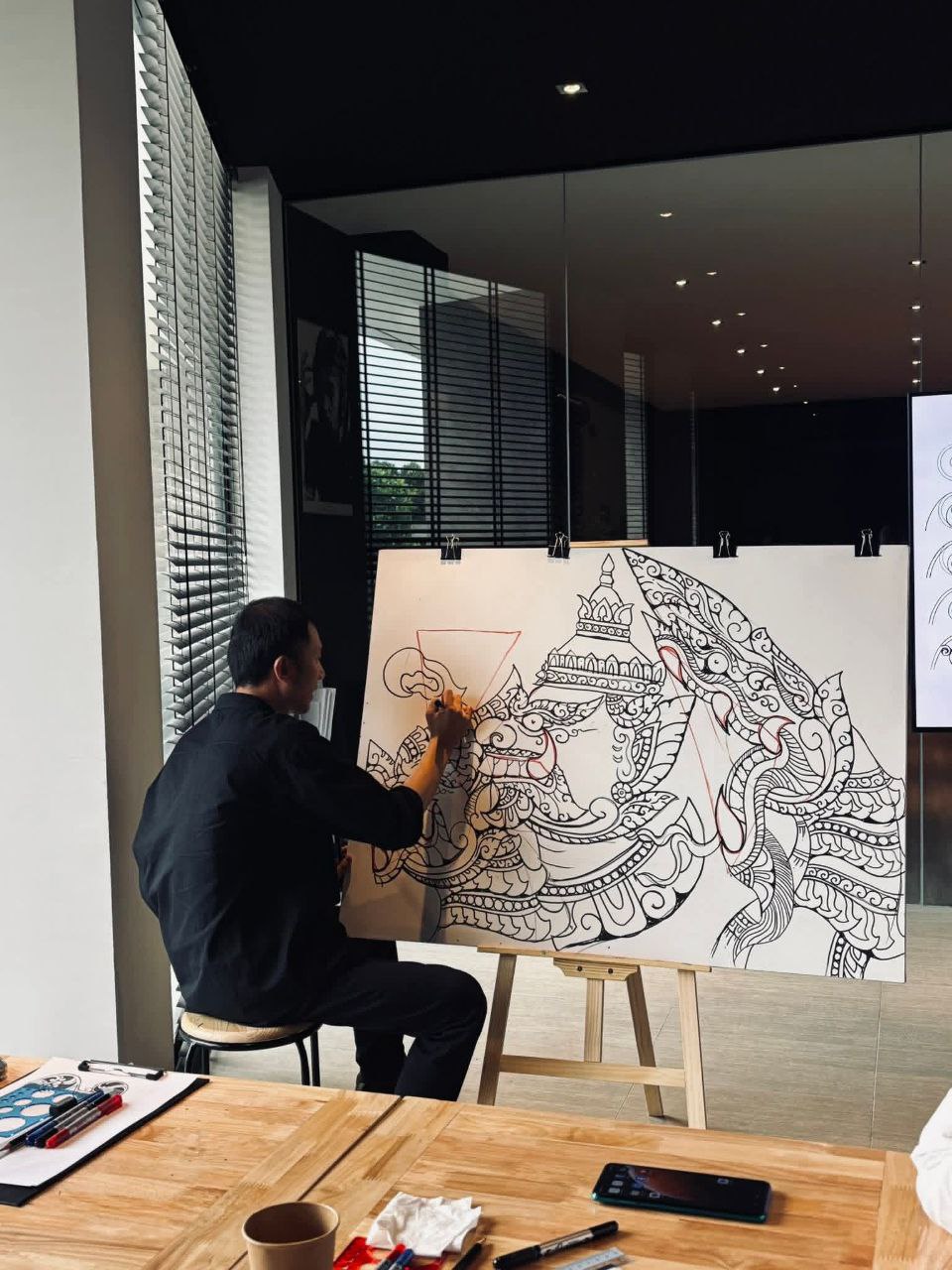
Artist- Aung Paintingသည် ၂၀၁၀ မှ၂၀၁၂ ထိ မန္တလေးအနုပညာကျောင်းတွင်ပန်းချီပညာသင်ယူခဲ့ပြီး ၂၀၁၃မှ ၂၀၁၈ ထိရန်ကုန်အမျိုးသားယဥ်ကျေးမူနှင့် အနုပညာတက္ကသိုလ်တွင်ပန်းချီပညာသင်ယူခဲ့သည်။ ၂၀၁၇မှစ၍ ထုတ်ကုန်များအတွက် မြန်မာမှုဒီဇိုင်းနှင့် logoများရေးဆွဲပေးခဲ့ပြီး၂၀၂၁/၂၀၂၂/၂၀၂၃အတွက် ၃နှစ်တာစာပို့တံဆိပ်ခေါင်းအတွက် ခေတ်ကြီး၆ခေတ် ၏ ဝတ်စားဆင်မှုဖြင့် ဒီဇိုင်းရေးဆွဲပေးခဲ့သည်။
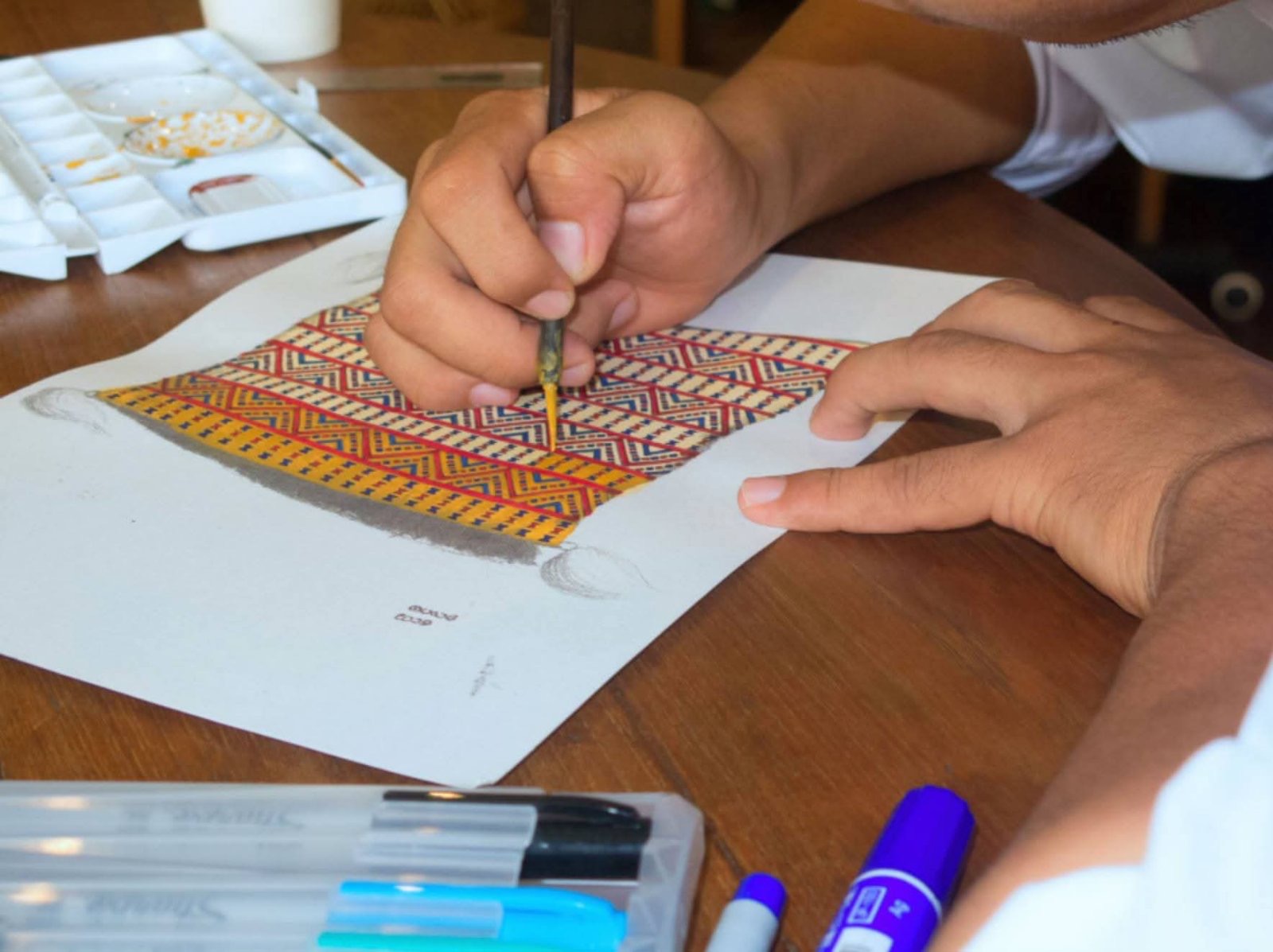
လက်ရှိတွင်မြန်မာမူကိုအခြေခံသည့်လက်မူဒီဇိုင်းအကြံပေးခြင်းနှင့်မြန်မာမှုမှတမ်းပန်းချီကားများဖန်တီးရေးဆွဲလျှက်ရှိပြီးမြန်မာမူဒီဇိုင်းအလွယ်ဖွဲ့နည်းသင်တန်းများလဲမျှဝေပို့ချလျှက်ရှိသည်။
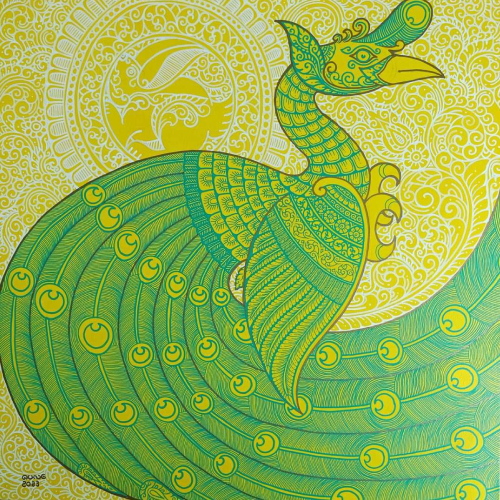
Interview with Artist
Q. What is your passion in art?
I enjoy turning the thoughts and images that arise in my mind into visual form through painting. I paint almost every day. Creating art feels like leaving a trace that I have lived and breathed on this earth. On days when I don’t paint, it feels as though I haven’t left any record of my existence.
Q. What is your mission as an artist?
မြန်မာနိုင်ငံ မှာ နှစ်ပေါင်းနှစ်ထောင်ကျော်ကနေ အနုပညာနှင့်ပတ်သက်သည့် လေ့လာရှာဖွေစရာများစွာ ရှိနေဆဲဖြစ်ပါတယ်။ အဲဒီအမွေအနှစ်ကြီးထဲကနေ နောင်လာမယ့် မျိုးဆက်များအတွက် မှတ်တမ်း တွေချန်ခဲ့နိုင်ဖို့ ရှာဖွေတွေ့ရှိချက်အသစ်များ ချန်ခဲ့နိုင်ဖို့ ကြိုးစားသွားပါမယ်။ကျွန်တော့်ပတ်ဝန်းကျင်က လူတွေက အသက်ရှင်ရပ်တည်ဖို့ ခက်ခဲကြတာများနေပြီမို့ ကျွန်တော့်ပန်းချီကားတွေမှာ စိတ်ပင်ပန်းစေမည့် အကြောင်းအရာများထက်ကြည့်ရတာစိတ်သက်တောင့်သက်သာဖြစ်စေမယ့်အရာတွေကိုပဲရေးလိုပါတယ်။
Q. In one line, how would you describe painting?
ပန်းချီရေးဆွဲသူတွေက ကိုယ့်ရဲ့ကမ္ဘာမြေပေါ်မှာ နေခဲ့တဲ့နေ့ရက်တွေကို ချန်ထားနိုင်ပါတယ်။
Follow Us On